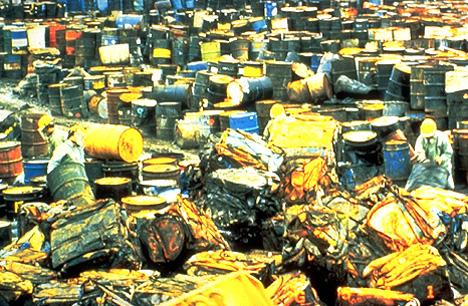
The term "toxic waste" often conjures images of bubbling green goo or abandoned barrels in desolate landscapes. While these dramatic portrayals might be fictionalized, the underlying reality of toxic waste dangers is very real and poses a significant threat to public health and the environment. Often used interchangeably with "hazardous waste," the distinction, particularly for regulatory bodies like the Environmental Protection Agency (EPA), is critical. Understanding what toxic waste is, its origins, and its profound impact is the first step toward effective management and a safer future.
What Exactly is Toxic Waste? Defining the Invisible Threat
While all toxic waste is hazardous, not all hazardous waste is necessarily toxic. This nuanced but crucial distinction is at the heart of effective waste management. The EPA defines toxic waste as any chemical waste material that is harmful or fatal to living organisms when absorbed or ingested. This means it can cause death or injury through inhalation, swallowing, or absorption through the skin.
The spectrum of toxicity is broad, encompassing materials that are:
- Poisonous: Capable of causing illness or death when ingested, inhaled, or absorbed.
- Radioactive: Emitting ionizing radiation, which can damage cells and DNA.
- Explosive: Prone to violent reaction under certain conditions.
- Carcinogenic: Capable of causing cancer.
- Mutagenic: Causing damage to chromosomes and genetic material.
- Teratogenic: Capable of causing birth defects.
- Bioaccumulative: Toxins that increase in concentration within organisms as they move up the food chain, leading to higher exposure at higher trophic levels.
- Pathogenic: Containing dangerous microorganisms like bacteria, viruses, or parasites, often found in medical waste such as used syringes or tissue samples.
For a deeper dive into the regulatory differences and characteristics that define these categories, explore Toxic vs. Hazardous Waste: Unpacking the EPA's Key Differences.
Where Does Toxic Waste Come From? Unmasking its Sources
The generation of toxic waste is a pervasive issue, stemming from a vast array of industrial, chemical, and biological processes that underpin modern society. It's not just an industrial problem; even everyday households contribute.
Industrial and Commercial Generators
Numerous industries produce toxic byproducts as a fundamental part of their operations. These include:
- Chemical Manufacturing: Production of plastics, paints, solvents, and other chemicals.
- Petroleum and Coal Products: Refineries, fuel production, and related industries.
- Pesticide and Fertilizer Production: Creating agricultural chemicals designed to be toxic to pests or to enhance plant growth.
- Nuclear Energy and Weapons: Generating radioactive waste with extremely long half-lives.
- Waste Treatment and Disposal Facilities: Concentrated residues from treating other wastes.
- Laboratory Waste: Universities, research institutions, and industrial labs generate chemical and biological waste.
- Iron and Steel Production: Byproducts can include heavy metals and other harmful substances.
- Healthcare and Biomedical Research: Hospitals, clinics, and research facilities produce medical waste, including infectious materials and discarded pharmaceuticals.
Common Categories of Toxic Waste
We can broadly categorize sources of toxic waste into three main areas:
- Medical Waste: This ranges from tissues, tissue samples, and bodily fluids capable of carrying pathogens to infectious disease-causing microorganisms. It also includes the materials and containers used to store and transfer them, such as used syringes, contaminated gloves, and expired pharmaceuticals.
- Chemical Waste: A very broad category encompassing any solid, liquid, or gaseous waste considered acutely poisonous, flammable, corrosive, carcinogenic, mutagenic, teratogenic, or reactive. This includes industrial solvents, heavy metal sludges, acid wastes, and various organic chemicals.
- Radioactive Waste: Primarily generated by nuclear power plants, nuclear weapons production, and certain medical and industrial applications. This waste contains unstable isotopes that emit radiation, posing long-term health risks.
Everyday Household Contributions
It's a common misconception that toxic waste is solely an industrial problem. Our own homes generate a surprising amount of hazardous material, often overlooked:
- Cleaning Products: Bleach, ammonia, oven cleaners, drain cleaners.
- Batteries: Contain heavy metals like lead, mercury, cadmium, and lithium.
- Cosmetics and Personal Care Products: Certain ingredients can be toxic if not disposed of properly.
- Medicine and Pharmaceuticals: Expired or unused drugs can contaminate water supplies if flushed.
- Electronics (E-waste): Computers, phones, and other gadgets contain heavy metals and flame retardants.
- Paints and Solvents: Leftover paints, paint thinners, and varnishes.
- Pesticides and Herbicides: Garden chemicals used for pest control or weed killing.
Proper disposal of these items is crucial to prevent them from entering landfills and eventually leaching into the environment.
The Far-Reaching Impact: Why Toxic Waste is So Dangerous
The dangers of toxic waste extend far beyond the immediate point of generation. Its impact can be catastrophic, affecting entire ecosystems, human health, and even economies for generations.
Environmental Devastation
When toxic waste is improperly stored, transported, or disposed of, it can seep into the environment with devastating consequences:
- Soil Contamination: Toxins can render agricultural land infertile, destroy beneficial microorganisms, and enter the food chain through plants.
- Water Pollution: Hazardous substances can leach into groundwater, contaminate rivers, lakes, and oceans, affecting aquatic life and rendering water unsafe for drinking or recreation. Substances like mercury and lead persist in the environment for many years.
- Air Pollution: Volatile organic compounds (VOCs) from toxic waste can evaporate into the atmosphere, contributing to smog, acid rain, and direct respiratory issues. Burning toxic waste without proper controls releases dioxins, furans, and heavy metals.
- Bioaccumulation and Biomagnification: One of the most insidious dangers is the ability of certain toxins (e.g., heavy metals like mercury and lead, and persistent organic pollutants) to bioaccumulate in living organisms. As these organisms are consumed by predators, the toxins become increasingly concentrated at higher levels of the food chain, a process known as biomagnification. This can lead to severe health issues in top predators, including humans.
- Ecosystem Disruption: Entire ecosystems can collapse due to the loss of key species, alteration of habitats, and disruption of natural processes.
Profound Human Health Risks
Human exposure to toxic waste can lead to a wide range of acute and chronic health problems:
- Acute Poisoning: Immediate symptoms like nausea, vomiting, skin rashes, chemical burns, respiratory distress, and even death can occur from direct contact or inhalation of high concentrations of toxins.
- Chronic Diseases: Long-term exposure, even at low levels, is linked to chronic illnesses. These include various forms of cancer (carcinogenic substances), birth defects (teratogenic substances), neurological damage, kidney and liver failure, reproductive problems, and immune system suppression.
- Vulnerable Populations: Children are particularly susceptible due to their smaller body size, higher metabolic rates, and developing organ systems. Pregnant women, the elderly, and individuals with compromised immune systems are also at higher risk.
- Occupational Hazards: Workers in industries that handle toxic waste face elevated risks, necessitating strict safety protocols and personal protective equipment.
Economic and Social Consequences
Beyond environmental and health impacts, toxic waste carries significant socio-economic burdens:
- Cleanup Costs: Remediating contaminated sites is astronomically expensive, often running into billions of dollars, funded by taxpayers or responsible parties.
- Property Devaluation: Proximity to toxic waste sites can drastically reduce property values and deter investment.
- Public Health Crises: Communities affected by toxic waste often face ongoing health challenges, increased healthcare costs, and a reduced quality of life.
- Loss of Natural Resources: Contamination can destroy agricultural land, fisheries, and drinking water sources, impacting livelihoods and food security.
- Legal and Regulatory Burdens: Companies face significant fines, legal action, and reputational damage for improper toxic waste management.
Mitigating the Threat: Solutions and Responsible Practices
Addressing the dangers of toxic waste requires a multi-faceted approach involving stringent regulations, technological innovation, and individual responsibility. The goal is to minimize generation, ensure safe handling, and prevent environmental release.
Governmental Regulation and Enforcement
Regulatory bodies, such as the EPA in the United States, play a critical role in defining, tracking, and regulating toxic waste. Regulations mandate proper classification, storage, transportation, treatment, and disposal. Strong enforcement, coupled with international agreements, is essential to prevent illegal dumping and transboundary movement of hazardous materials.
The Waste Management Hierarchy
The most effective strategy follows a hierarchy, prioritizing:
- Reduction: The best approach is to minimize the generation of toxic waste in the first place. This involves redesigning industrial processes, using less hazardous materials, and implementing cleaner production technologies.
- Reuse: Finding ways to reuse materials that might otherwise become toxic waste.
- Recycling: Recovering valuable components from waste streams, such as heavy metals from electronics or batteries.
- Treatment: Using chemical, biological, or physical processes to neutralize, detoxify, or reduce the volume and toxicity of waste before disposal.
- Safe Disposal: For waste that cannot be reduced, reused, or treated, secure disposal methods are paramount. This includes specialized hazardous waste landfills with impermeable liners and leachate collection systems, or high-temperature incineration under controlled conditions to destroy organic toxins.
Innovation and Green Chemistry
Advancements in green chemistry focus on designing chemical products and processes that reduce or eliminate the use and generation of hazardous substances. This includes developing biodegradable materials, non-toxic alternatives, and more efficient, waste-minimizing manufacturing techniques.
Public Awareness and Household Action
Every individual has a role to play in mitigating toxic waste dangers:
- Proper Household Hazardous Waste (HHW) Disposal: Never flush old medicines down the toilet or pour chemicals down the drain. Many communities offer specific collection events or facilities for HHW like batteries, paints, pesticides, and electronics. Research your local options.
- Read Labels Carefully: Understand the hazards associated with household products and follow disposal instructions.
- Choose Non-Toxic Alternatives: Opt for natural cleaning products (vinegar, baking soda), rechargeable batteries, and mercury-free thermometers.
- Reduce Consumption: Less consumption means less waste generated in the entire product lifecycle, from manufacturing to disposal.
- Advocate for Change: Support policies and companies that prioritize sustainable practices, cleaner production, and responsible waste management.
Conclusion
Toxic waste is an undeniable byproduct of our industrial society, but its dangers are too profound to ignore. From its complex definitions and diverse origins in manufacturing, healthcare, and even our homes, to its devastating environmental and health impacts, the threat is ubiquitous. By understanding the distinction between toxic and hazardous waste, recognizing its sources, and committing to responsible management practices – from stringent industrial regulations to informed household choices – we can collectively work towards minimizing its presence and protecting our planet and ourselves from the insidious dangers of toxic contamination. The path to a healthier, more sustainable future depends on our ability to confront and control this pervasive threat.