Beyond Hazardous: Understanding What Makes Waste Truly Toxic
The terms "toxic waste" and "hazardous waste" are often used interchangeably, creating a common misconception that all dangerous waste is the same. While both pose significant threats to public health and the environment, a critical distinction exists, especially in the eyes of regulatory bodies like the Environmental Protection Agency (EPA). Understanding this nuance is crucial for effective waste management, environmental protection, and public safety.
At its core, all toxic waste is inherently hazardous, but not all hazardous waste possesses the specific properties that classify it as toxic. This article will delve into what truly makes waste toxic, its origins, far-reaching impacts, and the essential steps we must take to manage it.
Demystifying Toxic Waste: More Than Just "Hazardous"
When discussing waste materials that threaten our world, "hazardous" often serves as a blanket term. Hazardous wastes are broadly defined as solid wastes that can potentially or substantially endanger public health, animal life, or the environment. To be legally classified as hazardous, a waste material must exhibit one of four characteristic properties:
- Ignitability: Materials that can easily catch fire and sustain combustion, posing a fire hazard.
- Corrosivity: Substances that can corrode metal containers or cause severe burns to skin and eyes.
- Reactivity: Wastes that are unstable under normal conditions, potentially exploding, releasing toxic fumes, or reacting violently with water.
- Toxicity: This is where the specific classification of "toxic waste" comes into play.
While all four characteristics define a waste as hazardous, toxicity specifically refers to a material's capacity to cause harm to living organisms through biological mechanisms. As such, toxic waste is a specialized subset within the broader category of hazardous waste. For a deeper dive into these regulatory nuances, explore our article on Toxic vs. Hazardous Waste: Unpacking the EPA's Key Differences.
The Essence of Toxic: What Makes Waste Harmful to Life?
The EPA describes toxic waste as any chemical waste material that is "harmful or fatal to living organisms when absorbed or ingested." This definition underscores the direct biological threat these substances pose. Unlike a reactive waste that might explode or a corrosive waste that burns on contact, toxic waste interferes with biological processes, often with devastating, long-term consequences.
The mechanisms of harm for toxic waste are varied and insidious. These materials can cause injury or death through:
- Inhalation: Breathing in toxic fumes, dust, or aerosols.
- Ingestion: Swallowing contaminated food, water, or direct contact with the substance.
- Absorption: The substance penetrating the skin or mucous membranes.
What specific properties make waste truly toxic? It's a complex array:
- Poisonous: Directly interferes with biological functions, often at a cellular level.
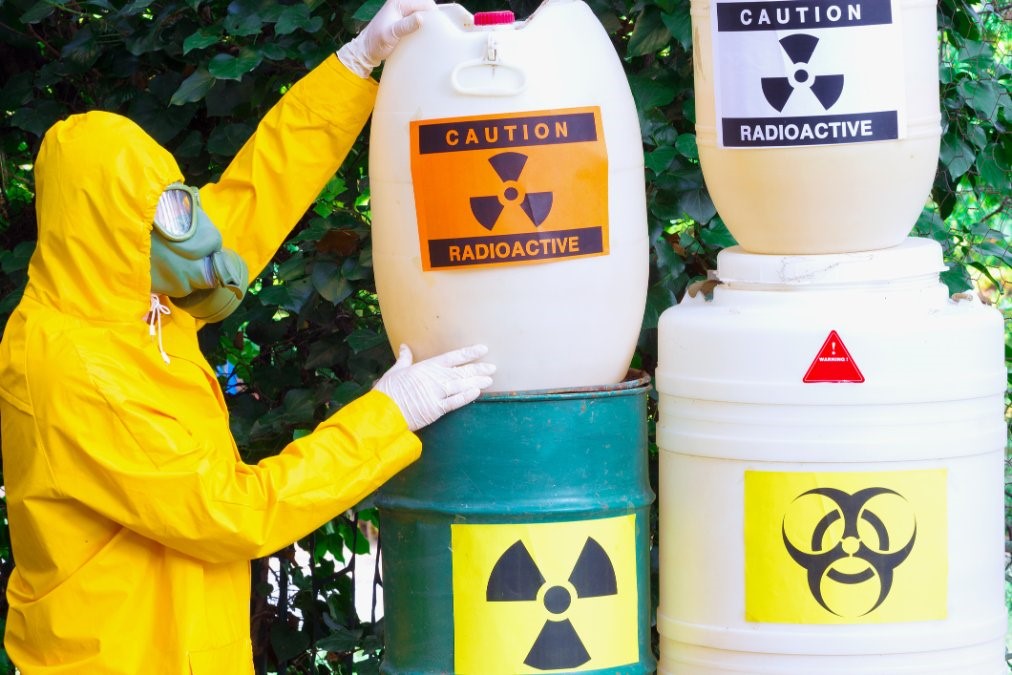
- Radioactive: Emits ionizing radiation that damages DNA and tissues.
- Explosive: While also a characteristic of hazardous waste, some explosive materials release highly toxic byproducts.
- Carcinogenic: Capable of causing cancer, often through DNA mutation.
- Mutagenic: Causes genetic mutations, which can lead to cancer or inherited disorders.
- Teratogenic: Induces birth defects in developing embryos or fetuses.
- Bioaccumulative: Substances that build up in the tissues of living organisms over time, increasing in concentration as they move up the food chain (e.g., heavy metals like mercury and lead).
Even waste containing dangerous pathogens, such as used syringes or biological samples from medical facilities, can be considered toxic due to their capacity to cause infectious diseases in living organisms.
Where Does Toxic Waste Originate? A Global Challenge
Toxic waste is not an isolated problem; it's a pervasive byproduct of modern civilization. It results from a vast array of industrial, chemical, and biological processes across numerous sectors. Nearly every industry, public institution, and even household activity contributes to its generation.
Major contributors and types of toxic waste include:
- Industrial & Chemical Processes:
- Chemical Manufacturing: Production of plastics, solvents, pharmaceuticals, and various industrial chemicals often leaves behind toxic residues.
- Petroleum and Coal Products: Refining and processing these fossil fuels generate a wide range of hazardous and toxic byproducts.
- Pesticide and Fertilizer Production: The very substances designed to aid agriculture can be highly toxic in their waste forms.
- Nuclear Energy and Weapons: Generate radioactive waste, one of the most dangerous and long-lasting forms of toxic waste.
- Metallurgy: Iron and steel production, along with other metal processing, can produce waste containing heavy metals like lead, cadmium, and arsenic.
- Waste Treatment and Disposal Facilities: Paradoxically, the very places meant to manage waste can generate secondary toxic wastes from their operations.
- Medical & Biomedical Waste:
- Hospitals, Clinics, Laboratories: Generate tissues, bodily fluids, cultures, used syringes, pathological waste, and contaminated materials capable of carrying pathogens and infectious disease-causing microorganisms.
- Pharmaceutical Manufacturing: Byproducts from drug production can be acutely poisonous or mutagenic.
- Everyday Household Products:
- Cleaning Products: Many contain corrosive, flammable, or toxic chemicals.
- Batteries: Contain heavy metals like lead, cadmium, and mercury.
- Electronics (E-waste): Old computers, phones, and TVs contain heavy metals and flame retardants.
- Paints and Solvents: Often flammable, corrosive, and contain toxic volatile organic compounds (VOCs).
- Medicines & Pharmaceuticals: Unused or expired drugs can be highly toxic if improperly disposed of, posing risks to water systems and wildlife.
- Pesticides & Herbicides: Leftover garden chemicals are designed to kill, and their waste remains toxic.
This extensive list highlights that toxic waste is not just an industrial behemoth but a pervasive challenge stemming from almost every facet of modern life. For a deeper understanding of the dangers and sources, explore our article on Toxic Waste Dangers: What It Is, Where It Comes From, and Its Impact.
The Far-Reaching Impact of Toxic Waste
The consequences of toxic waste contamination are profound and long-lasting, affecting ecosystems, human health, and economic stability. When improperly managed, toxic waste can seep into the ground, contaminate water sources, or release harmful pollutants into the air.
- Environmental Devastation:
- Soil Contamination: Makes land infertile, preventing plant growth and destroying habitats.
- Water Pollution: Toxins leach into groundwater, rivers, lakes, and oceans, poisoning aquatic life and rendering water unsafe for consumption or recreation.
- Air Pollution: Incineration or evaporation of toxic waste releases hazardous gases and particulate matter into the atmosphere, leading to acid rain and smog.
- Bioaccumulation and Biomagnification: Substances like mercury and lead persist in the environment for decades. They accumulate in the tissues of plants and small animals, becoming more concentrated as they move up the food chain. A small fish may have traces of mercury, but a large predator that eats many small fish will have significantly higher, often lethal, levels.
- Human Health Crises:
Exposure to toxic waste, even at low levels, can lead to a wide range of severe health problems:
- Acute Effects: Immediate symptoms such as skin rashes, burns, respiratory distress, nausea, vomiting, and even death.
- Chronic Diseases: Long-term exposure is linked to various cancers (carcinogenic effects), birth defects (teratogenic effects), neurological damage, organ failure (kidney, liver), reproductive issues, and developmental delays in children.
- Immune System Suppression: Weakens the body's ability to fight off diseases.
- Economic and Social Costs:
- Cleanup Expenses: Remediating contaminated sites is incredibly costly and time-consuming, often requiring billions of dollars and decades of effort.
- Property Devaluation: Areas near toxic waste sites suffer from decreased property values and economic stagnation.
- Loss of Livelihoods: Fishing communities, farmers, and others dependent on natural resources can lose their income due to contaminated environments.
- Displacement: In severe cases, entire communities may need to be relocated due to unsafe living conditions.
Historically, many hazardous wastes were loosely regulated or simply dumped, leading to legacy sites that continue to pose threats today. The consequences serve as a stark reminder of the critical need for stringent oversight and responsible management.
Safeguarding Our Future: Managing Toxic Waste Effectively
Effectively managing toxic waste is not just a regulatory burden; it's a societal imperative. It requires a multi-faceted approach involving stringent regulations, advanced technologies, corporate responsibility, and informed consumer choices.
Here are key strategies for mitigating the dangers of toxic waste:
- Robust Regulatory Frameworks: Agencies like the EPA establish strict guidelines for identifying, tracking, treating, storing, and disposing of toxic waste. These regulations aim to prevent pollution at its source and ensure responsible end-of-life management.
- Waste Minimization and Prevention:
- "Green Chemistry" Principles: Industries should prioritize developing processes and products that reduce or eliminate the generation of hazardous substances.
- Source Reduction: Implementing practices that decrease the amount of waste generated in the first place, through process optimization, material substitution, and efficient use of resources.
- Reuse and Recycling: Where possible, materials should be reused or recycled to prevent them from entering the waste stream.
- Advanced Treatment Technologies:
- Neutralization: For corrosive wastes, adjusting pH to a neutral level.
- Incineration: High-temperature destruction of organic toxic wastes, provided emissions are strictly controlled to prevent air pollution.
- Stabilization/Solidification: Mixing toxic waste with agents like cement to reduce its mobility and leachability before landfilling.
- Bioremediation: Using microorganisms to break down toxic substances into less harmful compounds.
- Chemical Treatment: Using specific chemical reactions to detoxify or reduce the hazard of certain wastes.
- Secure Disposal Methods:
- Engineered Landfills: Specially designed landfills with multiple liners, leachate collection systems, and monitoring wells to prevent toxic substances from escaping into the environment.
- Deep-Well Injection: For certain liquid wastes, injecting them into deep, isolated geological formations.
- Radioactive Waste Repositories: Long-term, secure storage facilities for nuclear waste, often deep underground, designed to contain radiation for millennia.
- Household Hazardous Waste Programs:
Consumers play a vital role. Many communities offer specific collection days or facilities for household items like old paints, batteries, electronics, chemicals, and expired medications. Never dispose of these items in regular trash or down the drain.
- Read Labels: Always check product labels for disposal instructions.
- Buy Less, Buy Greener: Opt for non-toxic alternatives when available and only purchase the amount you need.
- Recycle E-Waste: Utilize certified electronics recycling programs to ensure proper handling of toxic components.
- Public Awareness and Education: Empowering individuals and communities with knowledge about toxic waste and safe practices is crucial for fostering a culture of environmental responsibility.
Conclusion
Understanding what makes waste truly toxic goes beyond merely classifying it as "hazardous." It involves recognizing its specific biological dangers, diverse origins, and devastating, often long-lasting, impacts on health and the environment. From industrial giants to our own households, toxic waste generation is a shared challenge that demands collective action.
By adhering to stringent regulations, investing in advanced waste management technologies, embracing sustainable industrial practices, and making informed choices as consumers, we can significantly reduce the risks associated with toxic waste. The future health of our planet and its inhabitants depends on our commitment to responsible waste stewardship.